The Mechanics of a Modern Stairlift
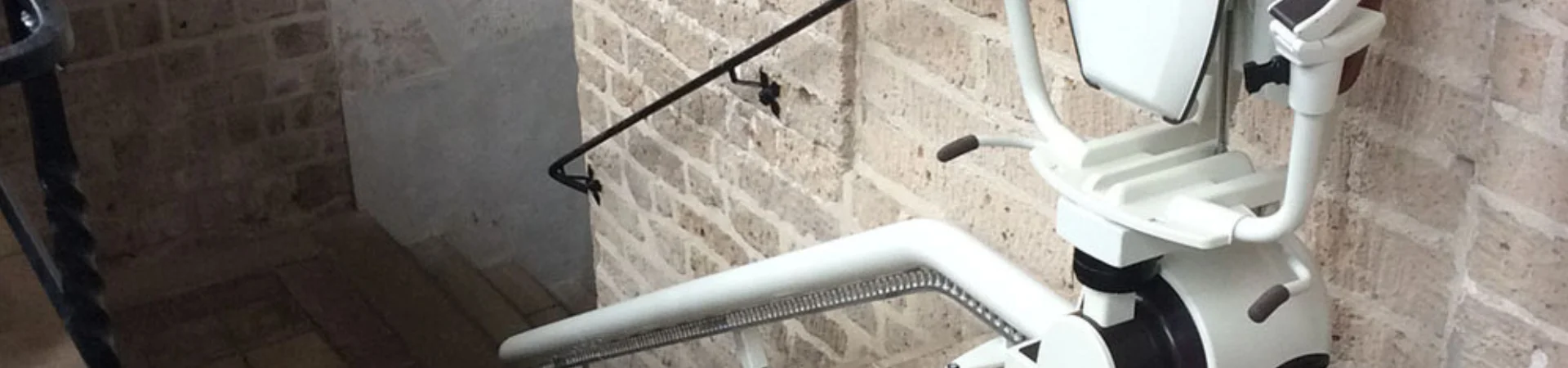
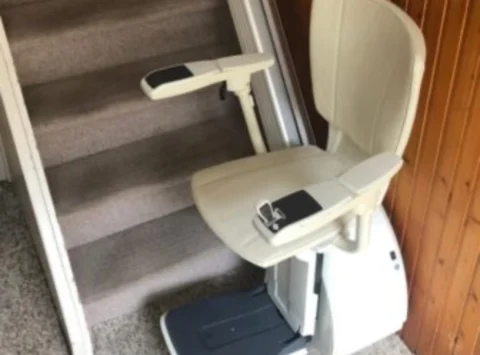
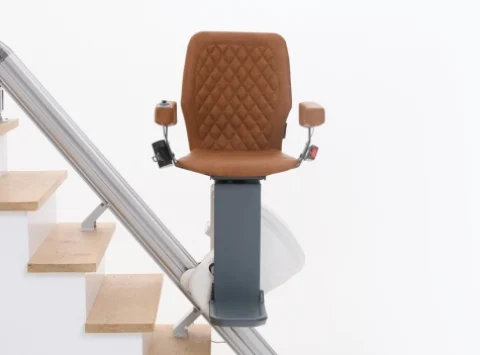
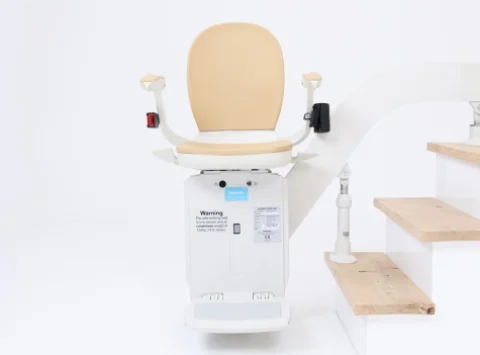
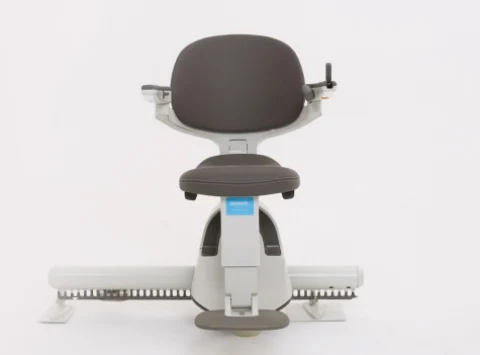
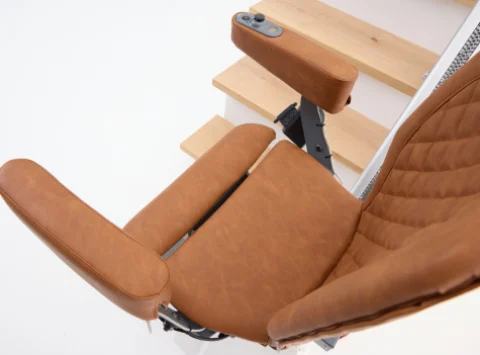
At its core, a stairlift is elegantly simple. A rail is custom-fitted to your staircase, running along the inner or outer curve of the steps. A motorized seat travels along that rail, carrying one person smoothly up or down. The seat itself comes with armrests, a safety bar, and a swivel seat mechanism that rotates at the top of the stairs so you can step off safely without twisting your body.
In our experience, the thing that surprises most customers most is how quiet the motor is. There’s no dramatic mechanical hum, no shuddering start. A well-maintained stairlift from a premium brand is about as discreet as a ceiling fan.
The power system matters too. Most modern stairlifts run on a continuous charge battery system, which means the lift keeps working even during a power outage. The rail charges the battery while the seat sits at rest, and the battery takes over the moment you start moving. It’s a detail that sounds small until the lights go out at 11pm and you still need to get upstairs.
Straight Stairs vs. Curved Stairs, Which Lift Do You Need?
Straight stairs are the straightforward case, no pun intended. Your rail configuration is a single uninterrupted line, custom-cut to the length of your staircase, and installation typically takes around four hours. Our advisors have fitted straight rail systems to narrow Victorian terraces, wide farmhouse stairs, and everything in between. The minimum clearance required for a straight stair installation is 25 inches of stair width, and the overwhelming majority of residential staircases in Ontario meet that threshold comfortably.
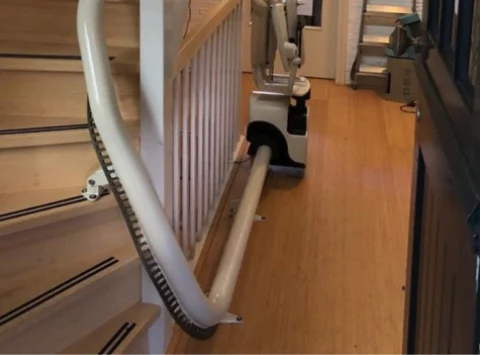
Curved stairs are where things get genuinely interesting. A curved stairlift requires a rail that bends with every turn of your staircase, and that rail is built specifically for your home, measured and manufactured to your staircase’s exact geometry. The ThyssenKrupp Flow is a strong example here: its swivel angle adjusts to every curve individually, which means it works on staircases that other curved rail systems simply can’t accommodate.